
Subscribe
Take a Step Towards Climate Justice in Seattle.
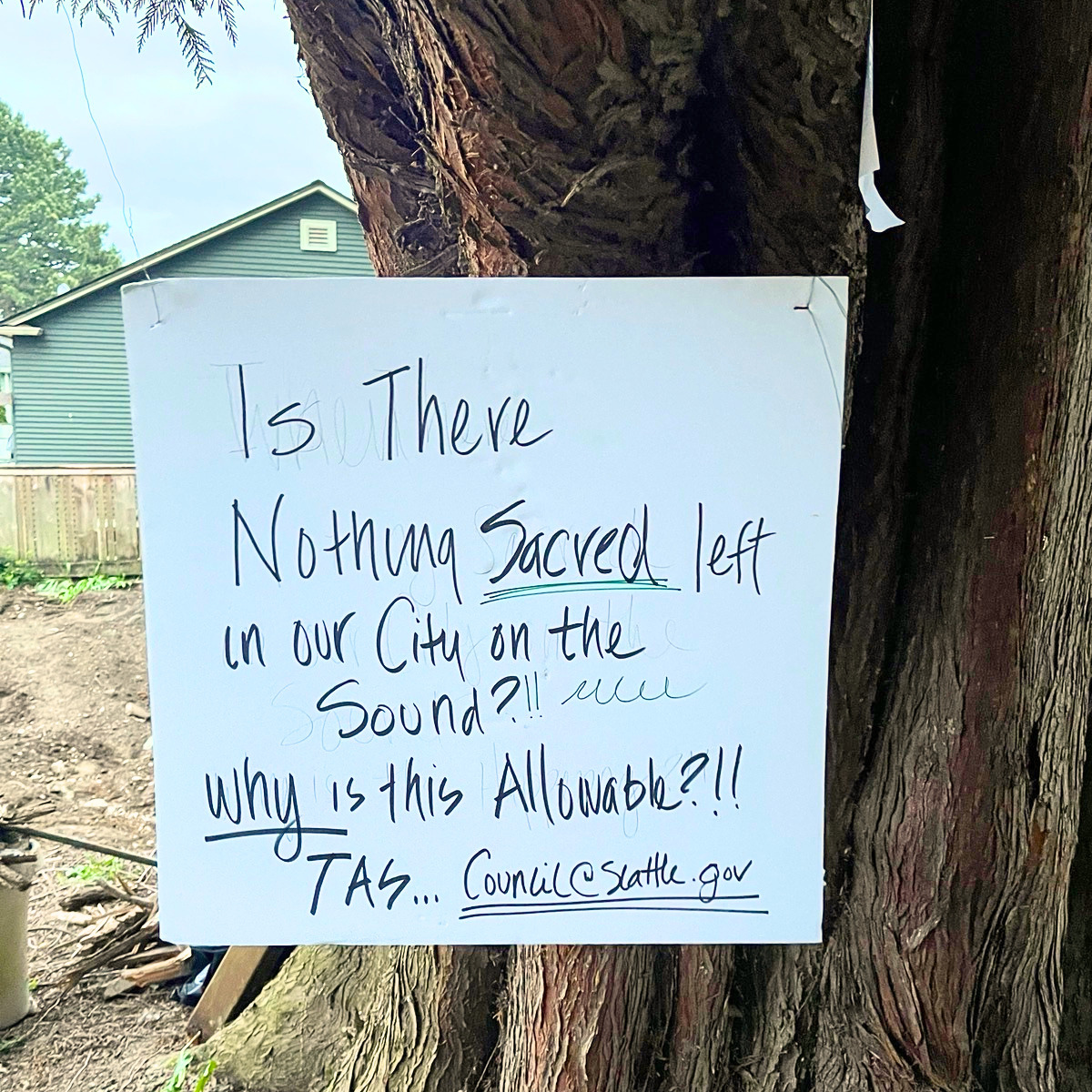

CB 121215 narrowly passed last week in a 5-4 vote, repealing the ability for Seattlites to appeal SEPA.
Thank you everyone who stood up for our Right to Protect at four council meetings and the July hearing. While we did not get the outcome we hoped for, the bill was originally predicted to pass unanimously and instead squeaked by with one vote. Your voice made a difference for the council members who chose to listen. Huge thanks to CM Rob Saka, who sponsored an amendment to reform rather than eliminate appeals. And thank you to Councilmembers Juarez, Rivera, Hollingsworth and Saka who voted No on this devastating bill.
---
TL;DR: Join us July 1 to oppose Council Bill 121215 (CB 121215), an assault on citizen environmental review. It's part of a wider City Hall plan to eliminate any environmental checks on their agenda -- including a closed-door meeting and cancelling of a public comp plan meeting.
The past month has revealed a carefully orchestrated plan by city leaders to eliminate citizen environmental review. At a time when citizens are being silenced all over the country, this is a sign of dangerous hypocrisy between what Seattle says it cares about, and what it enacts.
Warning signs emerged on April 22 when the Mayor held a closed-door meeting with builders and lobbyists on how to increase the scope and speed of Phases 3 and 4, calling it “Taller, Denser, Faster.” 1
During this meeting, attendees’ key finding, listed first on their notes, identified environmental review as an inconvenient obstacle to the city’s “Taller, Denser, Faster” plans.
You can see who attended, the slide deck, and meeting notes here.
After the meeting, a City Council meeting for the comp plan was inexplicably canceled, and a rushed side meeting for “environmental interest groups” for June 4 was set up, giving invitees just 24 hours to respond.
Then, just last week, Councilmember Eddie Lin introduced a bill to eliminate Seattleites’ ability to appeal environmental review.
SEPA, or the State Environmental Policy Act, requires state and local agencies to identify, consider, and mitigate the potential environmental impacts of proposed projects and government decisions before they are approved. Removing citizen ability to appeal SEPA erodes accountability:
City Hall lost the Orca Appeal dismissal yesterday, when the Washington State Court of Appeals found that Seattle’s Hearing Examiner “committed a legal error” in dismissing the case. But now, rather than promising to do better, the City wants to get rid of the appeal process entirely.
Consider a simple example: suppose a councilmember proposes legislation that would make Seattle a more attractive place for data centers, and its environmental review concludes there would be little or no impact on water quality. Today, a resident can pay $120 to appeal that review before the legislation is adopted. The Hearing Examiner would review the evidence and (if necessary) require the City to correct errors before any vote.
If Councilmember Lin’s bill passed, this would disappear. Only organizations with deep pockets could appeal, and data centers could break ground before the process was even complete. The damage could already be done.
Our Right to Protect is every citizen’s right to an accessible environmental review process that holds city leaders accountable to the facts. City council is voting on the SEPA bill in July, with a hearing July 1. It must be rejected.
Our local environment is more fragile than ever, yet government officials have handled it carelessly from the 2023 tree ordinance (which has fueled the removal of over 7,000 trees) to this latest powergrab. 3
Beginning July 1, we’re planning on a summer of action, so keep an eye out for future emails. If you want more frequent updates, please add yourself to our volunteer email list. And mark your calendars for July 1 - more details to come.
___
2 Both The Seattle Times and KNKX have great coverage of the Orca Appeal.
3 There is no evidence that protecting trees reduces housing development. After Portland enacted a 2021 moratorium on the removal of large trees, large-tree removals fell by 68 percent, while the effect on housing development was found to be negligible.
In Seattle, the Master Builders Association of King and Snohomish Counties (MBAKS) made a similar argument in its 2022 appeal of the City's tree ordinance. After reviewing hundreds of pages of evidence, the Hearing Examiner rejected the claim, calling it "pure speculation."






.png)