
Subscribe
Take a Step Towards Climate Justice in Seattle.

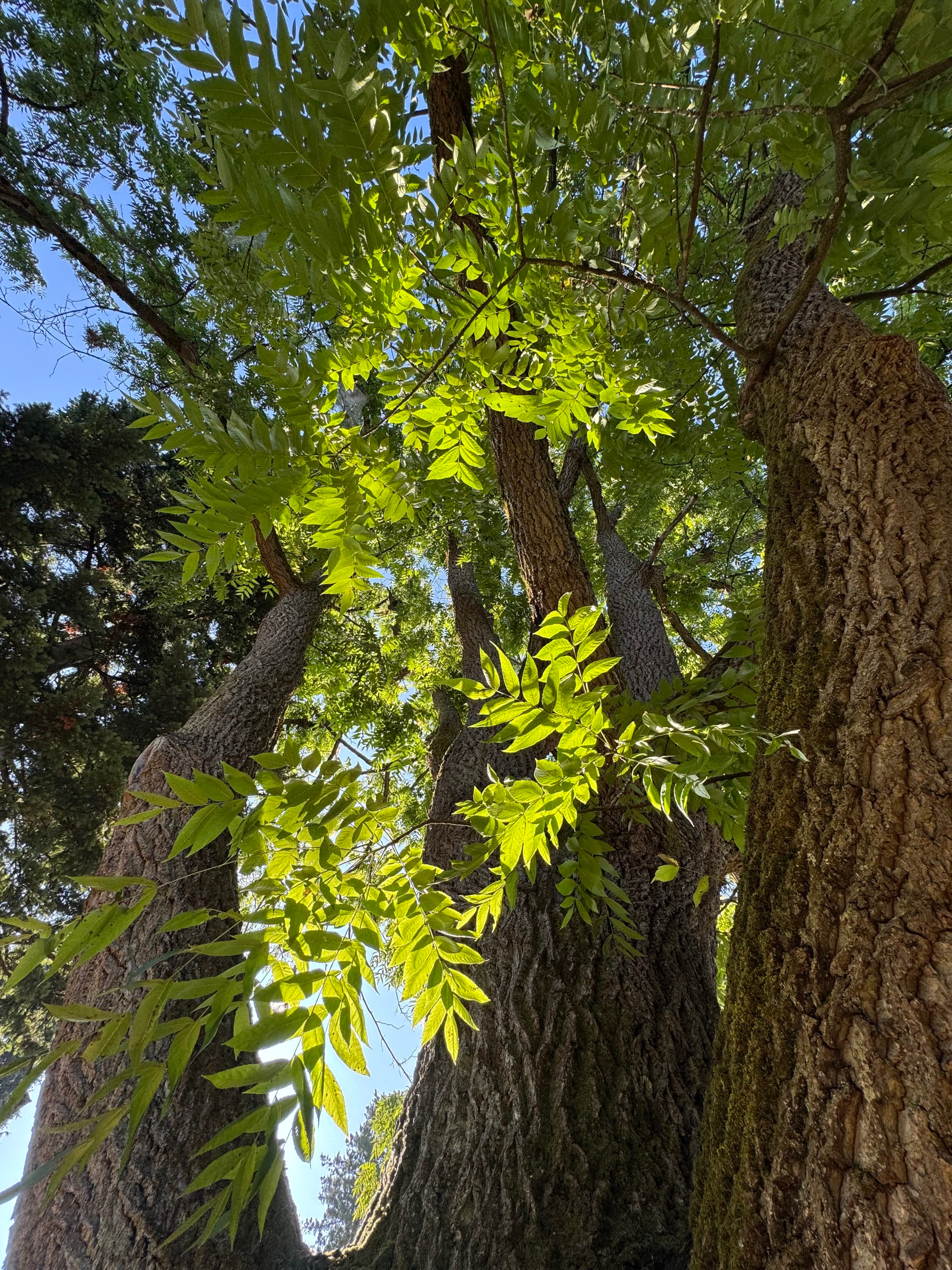
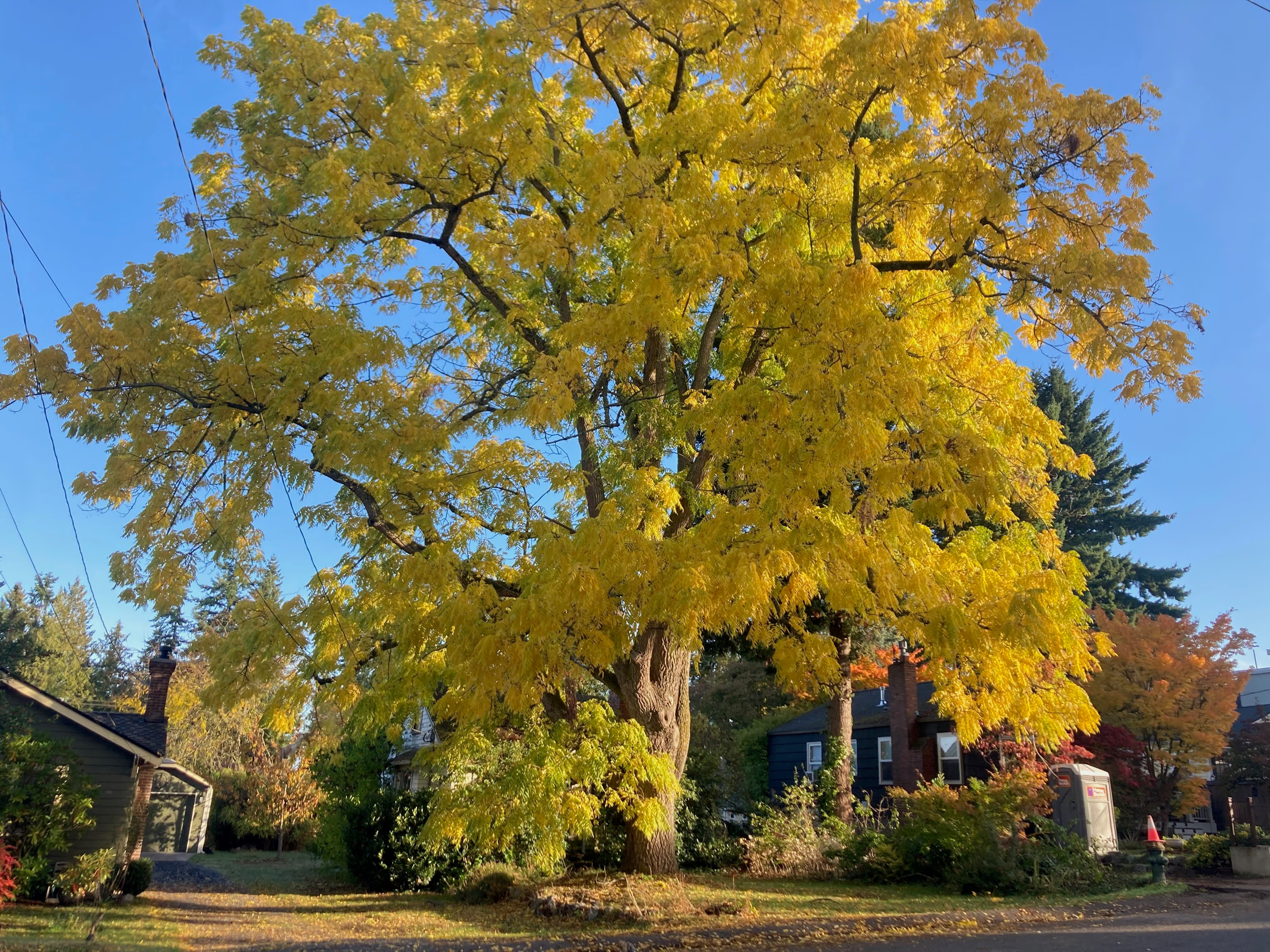
The Maple Leaf community is celebrating a remarkable win for Seattle’s urban forest: Tang Real Estate Investments has committed to preserving a historic black walnut tree at 836 NE 96th Street, a tree that neighbors feared would be lost during redevelopment of the long-neglected property.
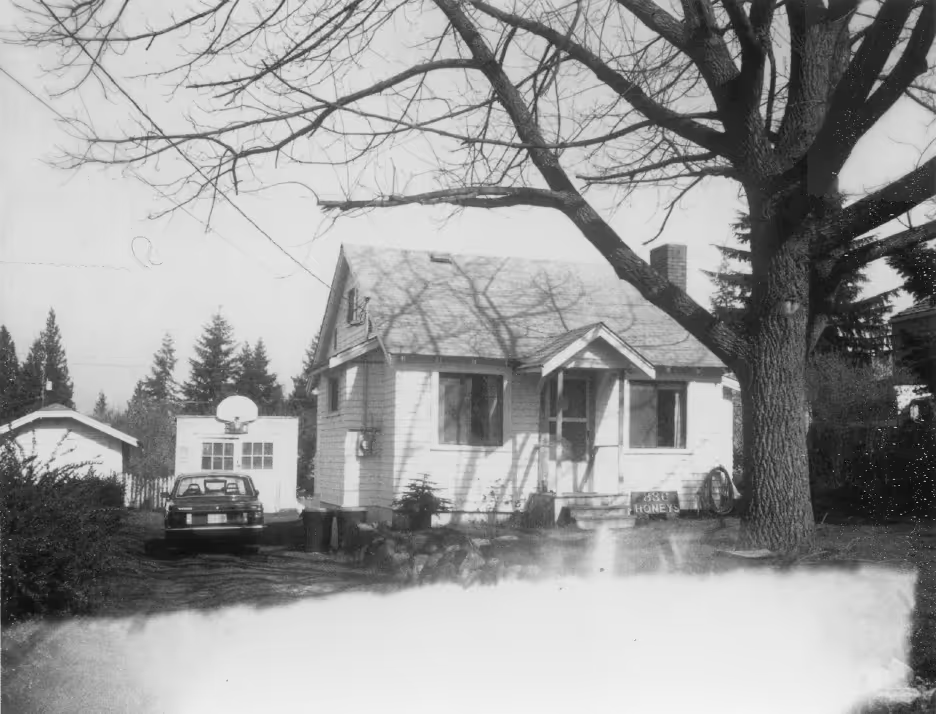
Thanks to respectful outreach from neighbors — and a developer who chose to listen even though he was under no legal obligation to do so — the project will now move forward with this landmark tree fully protected. This story is change-making — it’s an example of how development and trees can align to be better for Seattlites and climate.
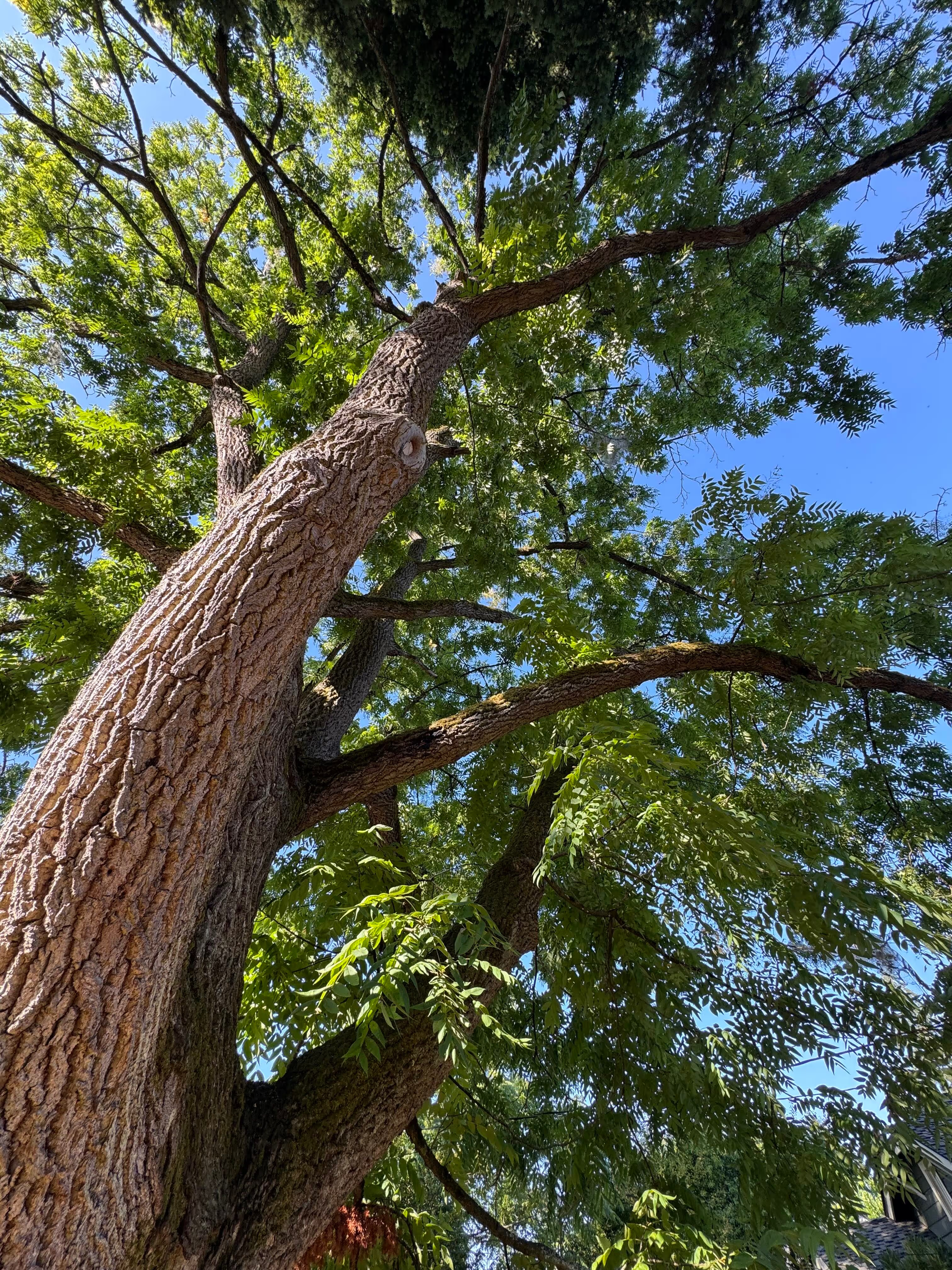
The black walnut on NE 96th has a 60-foot wide canopy, a 40-inch diameter trunk and is the single largest tree for several blocks in every direction. Most large trees sit near property edges and can be easily built around, but this tree stands in the center of the front yard, which makes preserving it a design challenge.
Neighbors think this tree took root in the late 1800s, when Maple Leaf was still a sparsely settled outskirt of Seattle. In fact, this 1903 Seattle Times article shows that black walnuts in Seattle were planted intentionally as a food source and shade tree. It came from an era before grocery stores, refrigeration, and established tree nurseries.
Typically, when a property like this is sold for redevelopment, a tree this large is removed.Given its location in the center of the lot, it would be easy for the developer to justify its removal (which would be 100% legal). In most projects like these, that’s exactly what happens.
Instead, developer Jimmy Tang listened to neighbors, and chose to preserve this black walnut tree.
Tang voluntarily revised the redevelopment plans and committed to working with arborists and the City to ensure the walnut survives construction.
Here is Tang’s message, shared with permission:
Thank you for taking the time to share your thoughts and concerns regarding the black walnut tree at 836 NE 96th Street. I appreciate your passion for the Maple Leaf neighborhood and for preserving its natural character. We understand the value that mature trees bring to both the environment and the community. After further evaluation, we are revising our plans to preserve the black walnut tree and are adjusting the project scope accordingly. The development will be revised to three units in order to accommodate preservation of the tree while still providing new housing. We are working closely with arborists and the City to ensure the tree is protected throughout the design and construction process. Thank you again for reaching out.
P.S. We made this change in good faith, and if you or anyone you know ever consider selling in the future, we hope you’ll keep us in mind. Happy Holidays!
This awesome example is what development + trees in Seattle can look like.
Black walnuts may be non-native, and are quite common in Seattle. But their hardiness and habitat for wildlife make them a critical piece of Seattle’s natural infrastructure.
Tree Action Seattle estimates this black walnut is over 100 years old; which means it probably started producing nuts around the 1920s. Walnuts from black walnuts are edible, and also a key food source to the adorable squirrels you see all over Seattle.
Black walnuts are unique in producing juglone, a natural compound that resists fire, deters insects, and suppresses competing plants under the canopy. Even though this may not be ideal for co-existing flora, it makes walnuts a great tree to live next to if you’re worried about weeds and bugs in your yard.
Lastly, this black walnut in particular has been a roosting spot for tons of birds in the neighborhood! A neighbor of this tree has been tracking birds they see perching in its branches. Here’s who they’ve seen so far:
Northern Flicker, Hairy Woodpecker, Spotted Towhee, House Sparrow, Purple Finch, Golden-crowned Sparrow, Dark-eyed Junco, Black-capped Chickadee, Pine Siskin, Steller's Jay, American Robin, Mourning Dove, American Goldfinch (migrating), Sharp-shinned Hawk and Merlins. (That’s 15 bird species!)
We are incredibly grateful for Jimmy Tang’s deep care for the neighborhood community and natural environment where he’s building these homes.
His choice to save this tree, despite having the legal right to remove it, sets a new bar for development in Seattle.
Photo credit: Logan Billingham


.png)